Can Coffee Cause Anxiety?

For many people, coffee is a familiar friend. It’s part of a morning routine, a moment of calm before the day begins, or the thing that helps you push through exhaustion. So it can feel pretty unfair when something that feels soothing also sometimes makes your anxiety worse.
If you’ve ever felt shaky, overstimulated, or emotionally “on edge” after drinking coffee, you’re not imagining it. Caffeine can absolutely contribute to anxiety symptoms in some people.
The relationship between coffee and anxiety isn’t the same for everyone. For some, caffeine seems to barely register. For others, one cup can leave their nervous system feeling overwhelmed.
Understanding how caffeine affects your mind and body can help you respond with more awareness.
How Caffeine Affects the Nervous System
Caffeine is a stimulant, which means it activates your central nervous system. When you drink coffee, the caffeine quickly enters your bloodstream and blocks a chemical called adenosine. This is the substance that helps your body feel tired, calm, and regulated.
That’s why coffee can make you feel more alert and focused.
But it also increases adrenaline, your body’s “fight-or-flight” hormone. This is the same system your body uses when you’re stressed, overwhelmed, or sensing danger.
In therapy, we often talk about anxiety as a nervous system state, not just a mental one. And caffeine can push that system into overdrive.
You might notice:
A racing heart
Tightness in your chest
Restlessness or irritability
Faster breathing
Difficulty relaxing
Feeling emotionally “wired” or overstimulated
For someone already carrying stress, chronic worry, trauma, burnout, or panic symptoms, coffee can sometimes amplify what’s already happening internally.
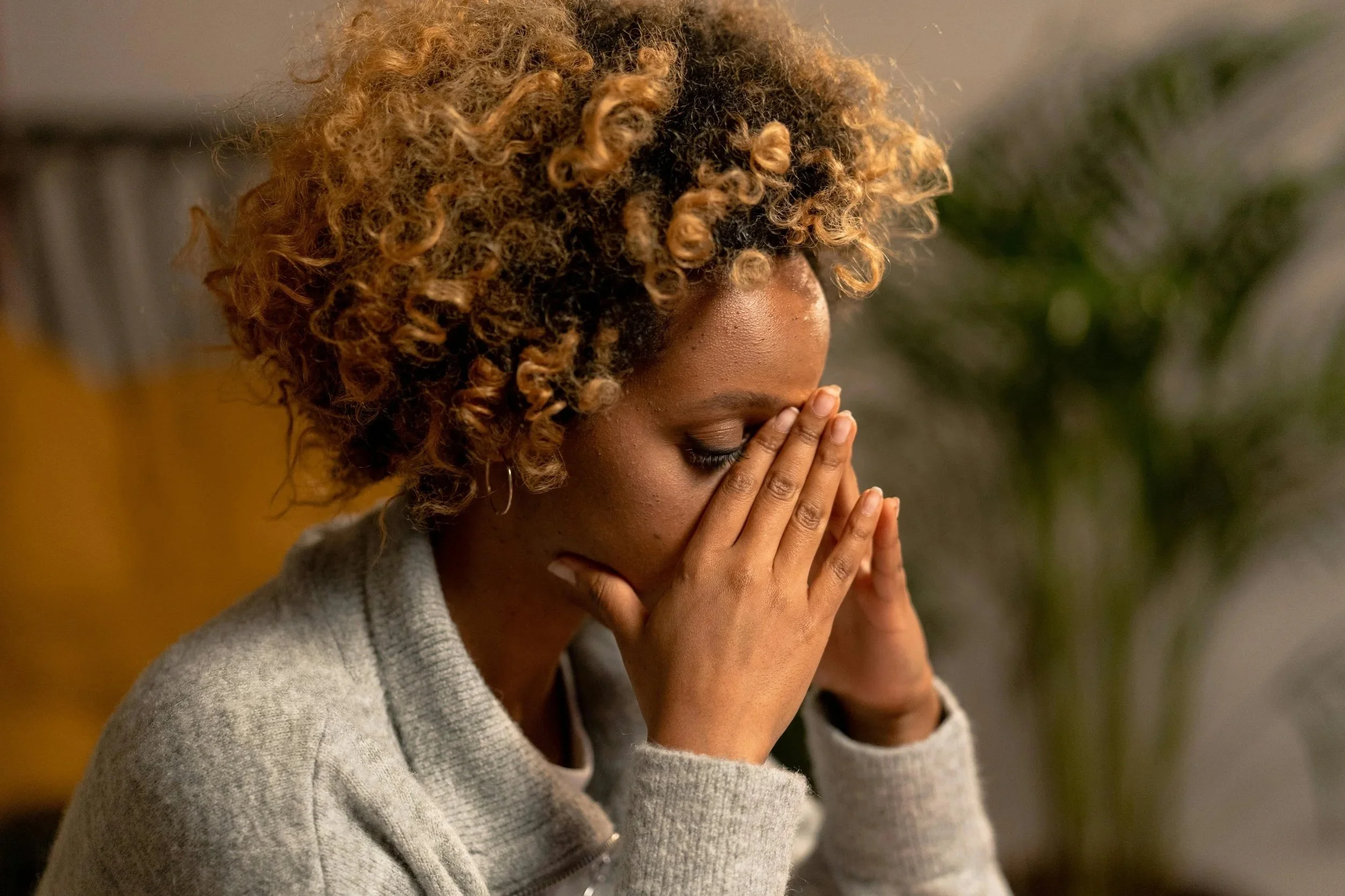
Why Some People Feel More Anxious Than Others
One person can drink three cups of coffee throughout the day and feel perfectly fine. Another might feel jittery after half a latte.
Trust me when I say, it’s not “all in your head.”
Some factors that affect caffeine sensitivity include:
Genetics: Some people metabolize caffeine much more slowly than others.
Tolerance: Somebody who drinks coffee on occasion or never goes over a certain amount per day has a lower tolerance than somebody who’s drinking a few cups per day.
Baseline anxiety levels: If your nervous system is already activated, stimulants can hit harder.
Sleep deprivation: Exhaustion makes the body more sensitive to stress signals.
Mental health conditions: People with panic disorder, generalized anxiety, ADHD, or bipolar disorder may notice stronger effects.
Medication interactions: Certain antidepressants and stimulants can intensify caffeine’s impact.
Stress and burnout: When your body has been running on survival mode for a long time, even small stressors can feel bigger.
This is why there’s no universal “safe” amount of coffee when it comes to anxiety. Your body has its own threshold.
The Coffee-Anxiety Cycle Many People Get Stuck In
One thing I see often in therapy is this cycle:
You are anxious → you sleep poorly → you wake up exhausted → you drink more coffee → your nervous system becomes more activated → your anxiety worsens → your sleep gets worse again.
At some point, coffee isn’t just helping with energy anymore, it’s helping you survive making it through the day. It gives us something to feel other than “normal,” which sometimes might be depression.
You might feel frustrated with yourself for “needing” coffee to get through the day, when the deeper issue is that your body and mind have been under too much stress for too long.
Signs Coffee May Be Affecting Your Anxiety
You don’t necessarily need to quit coffee completely. However, it may help to pay attention to how your body responds to it.
Some signs worth noticing:
You feel emotionally activated shortly after drinking coffee
Your thoughts become faster or harder to slow down
You feel shaky, restless, or overstimulated
You experience heart palpitations or chest discomfortness
Your anxiety feels strongest in the morning or early afternoon
You rely on caffeine to compensate for chronic exhaustion
You have trouble sleeping, even when tired
Skipping coffee causes headaches, irritability, or mood crashes
Gentle Ways to Reduce Coffee-Related Anxiety
1. Start by Observing, Not Restricting
Before changing anything, try getting curious.
For a week or two, notice:
When you drink coffee
How much
How you feel physically afterward
What your anxiety levels are like throughout the day
Patterns often become clearer when you slow down enough to notice them.
2. Reduce Gradually Instead of Quitting Overnight
Cutting caffeine abruptly can cause withdrawal symptoms like headaches, fatigue, and irritability, which can actually increase stress on the body.
Instead, try:
Mixing half-caf with decaf
Switch to black tea
Reducing by half a cup every few days
Replacing afternoon coffee with herbal tea or water
Choosing lower-caffeine options
Small changes are easier on the nervous system than quitting all at once.
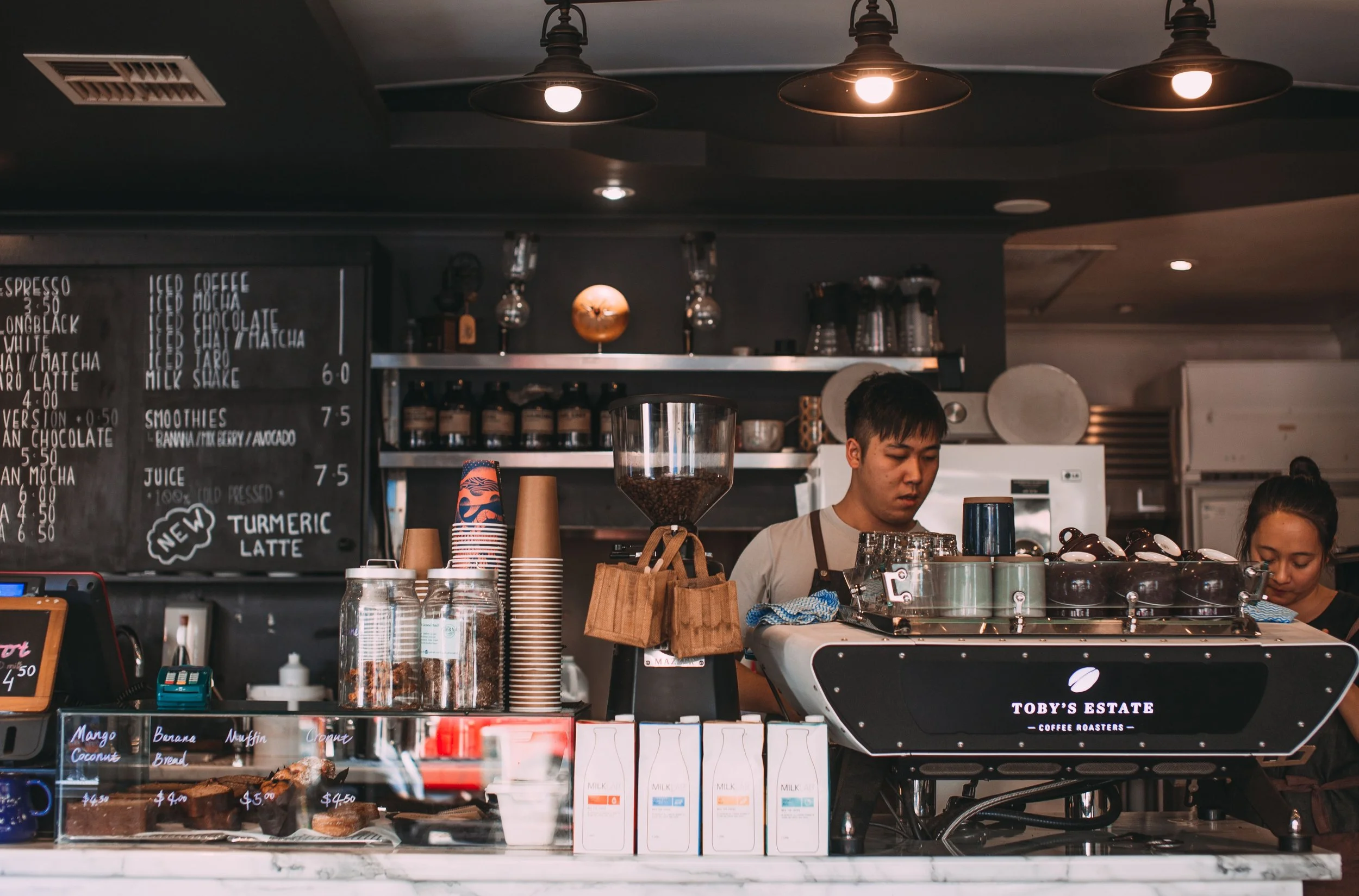
3. Don’t Drink Coffee on an Empty Stomach
Having coffee without food can spike stress hormones more quickly and intensify jitteriness or nausea. Eating protein, healthy fats, or a balanced breakfast first can help buffer the effects.
4. Stop Drinking Coffee Earlier in the Day
Caffeine has a half-life of around five to six hours, meaning that if you drink a coffee at 2pm, roughly half of that caffeine is still active in your system at 8pm and a quarter of it lingers well into the night. This residual stimulation can make it harder to fall asleep, reduce the quality of deep sleep, and leave you feeling less rested even if you technically slept a full eight hours. If you drink coffee in the evening, try shifting your last cup to late afternoon, then gradually move it earlier: to 3pm, then 2pm, then 1pm.
Do this until you find a cutoff that lets you wind down naturally and sleep soundly. Many people find that stopping caffeine by noon or early afternoon makes a noticeable difference in how quickly they fall asleep and how refreshed they feel in the morning.
5. Look at The Bigger Picture
Coffee may contribute to anxiety but it’s rarely the entire cause. Often, anxiety is also connected to other stressors in our life, such as chronic stress, unprocessed emotions, poor sleep, burnout, trauma, relationship stress, or emotional dysregulation. Reducing caffeine can help your anxiety. If your anxiety has been persistent for a long time, you may need a deeper level of support.
Therapy Can Help You Understand the “Why” Beneath the Anxiety
Sometimes anxiety isn’t just about what you are consuming, it’s about what your body has been carrying.
Anxiety therapy can help you:
Understand your anxiety patterns
Learn nervous system regulation skills
Reduce panic symptoms
Improve your relationship with stress
Build healthier coping strategies
Address underlying emotional overwhelm or burnout

Cognitive Behavioral Therapy (CBT), somatic therapy, mindfulness-based approaches, and trauma-informed therapy can all be incredibly effective for anxiety.
It’s important to point out that you don’t have to wait until anxiety becomes severe to deserve support.
When to Reach Out for Help
If anxiety is interfering with your sleep, relationships, work, concentration, or ability to feel present in your life, it may be time to reach out to a therapist.
Yes, coffee might be contributing to the problem but you don’t have to spend your life trying to eliminate every anxiety trigger just to feel okay.
Healing usually comes from helping your nervous system feel safer, steadier, and more supported overall.
Key Takeaways
Yes, coffee can worsen anxiety in some people because caffeine activates the body’s stress response.
Sensitivity varies widely based on genetics, stress levels, sleep, and mental health.
Signs coffee may be affecting you include racing thoughts, restlessness, poor sleep, and heart palpitations.
Gentle changes, like reducing intake gradually or avoiding coffee on an empty stomach, can help.
If anxiety persists, therapy can help address the deeper patterns underneath it.
You don’t have to figure it all out alone and you don’t have to choose between “never drinking coffee again” or suffering through anxiety.
If you're struggling with anxiety and would like support, we can help. Contact our practice today to schedule a consultation.